Kindness & Friendship
How to Teach a Child to Include Others: 7 Simple Ways to Raise an Includer
By Audrey Bell-Kearney ·
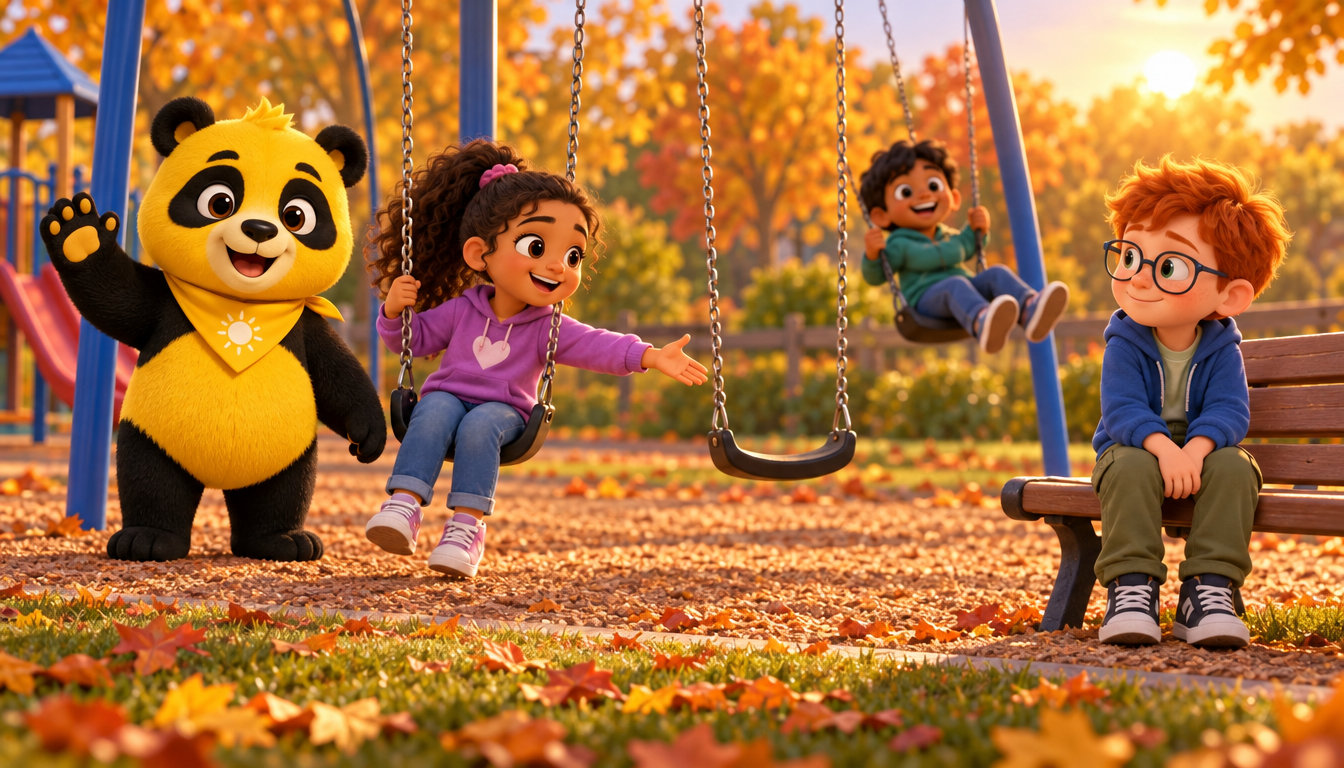
Quick takeaway: Most kids don't leave others out to be mean. They just need the words, the eyes and the practice. Here are 7 simple ways to raise an includer, with exactly what to say.
To teach a child to include others, give them the words, the eyes and the practice. Teach a simple invitation like "Want to play with us?", help them notice who is standing alone, and practice at home before it matters at school. Then notice and name it every time they include someone, so it becomes a habit.
Most young children don't leave others out to be mean. They're busy, they love their best friend, or they simply don't see the child on the edge of the game. Inclusion is a skill, like sharing or taking turns. It grows with modeling, practice and lots of gentle reminders.
PBS KIDS for Parents points out that joining a group that's already playing is a hard skill for young children. That's why the child who's already *in* the game has so much power. One simple invitation can change someone's whole recess.
Below are seven ways to raise an includer at home or in the classroom, with what to say and how to start today.
1. Give Your Child a Ready-Made Invitation
Kids freeze when they don't know what to say. A short, practiced phrase takes the guesswork away. PBS KIDS for Parents recommends teaching children simple phrases they can use to invite a peer who seems left out.
How to do it today (2 minutes, no materials):
- Pick one or two phrases your child likes. Keep them short.
- "Want to play with us?"
- "You can be on our team."
- "Come sit with us!"
- Say them together in a silly voice, a whisper and a robot voice until they feel easy.
At Sunny's Clubhouse, we keep it to two words. Sunny Says: "Wanna play?" It's short enough for a four-year-old to remember and brave enough to change someone's day.
2. Teach Them to Look for the Empty Swing
Before a child can include someone, they have to notice them. Young kids are deeply focused on their own play. Noticing others is something we can coach.
How to do it today (5 minutes, at the park or school pickup):
- Play "Friend Finder." Ask, "Do you see anyone playing alone right now?"
- Talk about clues: someone watching a game, sitting by themselves, or walking around the edge.
- Ask, "How do you think they feel?" and "What could we do?"
- You don't have to act every time. The goal is to build the habit of looking.
In Sunny's Clubhouse episode "The Empty Swing," a little fox almost runs past a bunny sitting alone. Then he stops, looks back and walks over. That pause is the skill we're teaching.
3. Practice With Toys Before It Happens for Real
Pretend play is a safe place to rehearse. Children can try out what to say, and what to do when it feels awkward, without anyone's feelings on the line.
How to do it today (10 minutes, stuffed animals or figures):
- Set up three toys playing a game and one toy sitting alone.
- Ask your child, "What could the bear say to the lonely bunny?"
- Act it out. Let the bunny say yes.
- Then try a twist: the bunny is shy and says, "Maybe later." Practice a kind reply: "Okay! Come join whenever you want."
Switch roles so your child gets to be the one left out, too. Feeling both sides builds empathy fast.
4. Show Them What Including Looks Like
Children watch how grown-ups treat the new neighbor, the quiet parent at pickup and the server at a restaurant. PBS KIDS for Parents notes that kids learn more from what adults do than from what they're told.
How to do it today (while you go about your day):
- Say out loud what you're doing: "That family is new. Let's go say hi."
- Invite someone into a small moment: a walk, a seat on the bench, a turn at the game.
- At home, make room for everyone. Ask the youngest sibling to roll the dice or pick the next song.
When Priya's mom saw a dad standing alone at a birthday party, she waved him over to the snack table. Priya noticed. Later that day, she waved a new girl into her game of tag.
5. Name Kindness When You See It
Children usually hear about it when they get things wrong. Make sure they hear about it when they get things right, too. Specific praise helps including feel like part of who they are.
How to do it today (10 seconds, every time you see it):
- Instead of "Good job," try "You saw Leo standing alone, and you asked him to play. That was kind."
- Ask how it felt: "How did it feel when he said yes?"
- Share it at dinner: "Who did you include today?"
Keep it warm and low-key. You're pointing out a good choice, not putting on a show.
6. Plan for "We Already Have Enough Players"
Real playgrounds are messy. Sometimes a game really is full, or a child wants time with one close friend. Teaching inclusion doesn't mean every child must play with everyone, every minute. It means no one should be made to feel unwanted.
How to do it today (5 minutes, a quick talk):
- Explain the difference: "It's okay to play with your best friend. It's not okay to tell someone they can never play."
- Give kind options when a game is full: "We can play next round!" or "Want to start a new game with me after?"
- Talk about words that hurt, like "You can't play" or "Go away." Practice a gentler version together.
If your child is the one who left someone out, stay calm. PBS KIDS for Parents suggests avoiding labels like "bully" or "mean." Talk about the action instead: "How do you think Maya felt when she heard that? What could you do next time?"
7. Make Including a Family or Classroom Ritual
Habits form when something happens again and again. A small, regular ritual keeps inclusion on everyone's mind.
How to do it today (10 minutes, paper and crayons):
- Make a "Wanna Play?" chart with each child's name, or one for the whole family.
- Every time someone invites a person to play, sit together or join in, add a star or sticker.
- At the end of the week, share the stories behind the stars.
- Celebrate with a silly dance or a favorite song.
For teachers: Try a "Buddy Bench" moment at morning meeting. Ask, "Who can be a buddy finder at recess today?" Choose two helpers each day whose job is to notice anyone playing alone and invite them in. Rotate so every child gets a turn.
When Your Child Is the One Left Out
Teaching inclusion often starts because your child felt excluded. Listen first, and let them share the whole story. Name the feeling: "That sounds lonely. I'm sorry that happened."
Then help them think about what they could try next. They could ask a different friend, use their own invitation, or start a new game. If your child is left out often, or seems very upset or unwilling to go to school, talk with their teacher. Your pediatrician is a good resource, too, if the worry or sadness is frequent or intense.
This Week's Shine Challenge
Look for someone who might need a friend this week. It could be a classmate, a cousin or a new kid on the street. Ask them two words: "Wanna play?" At the end of the week, share with your family how it felt. Grown-ups can take the challenge, too.
Questions Parents and Teachers Ask About Teaching Kids to Include Others
At what age can kids learn to include others?
Even preschoolers can start. A four-year-old can learn one simple phrase and practice it with toys. By ages six to eight, many children can notice who is left out on their own and choose to invite them, especially with reminders.
Should I make my child play with everyone?
No. Children are allowed to have close friends and to choose their games. The goal is kindness, not forced friendship. Teach your child to never tell someone they can't play, and to offer kind options like "next round" when a game is full.
What if my child is shy about inviting others?
Start small. Let them invite one child to do a simple activity, like swinging or drawing, or invite someone together with you. Practicing the words at home first helps a lot. Shy kids are often great noticers, which is the first step to including.
What should I do if my child excluded someone on purpose?
Stay calm and avoid calling your child mean. Ask how the other child might have felt. Then help them plan a kind next step, like inviting that child to play tomorrow or saying sorry.
How can teachers encourage inclusion in the classroom?
Give children shared jobs, mix up partners often and teach invitation phrases as a whole class. Daily "buddy finder" helpers at recess work well. Celebrate inclusive moments out loud so every child sees what kindness looks like.
Get the Free Power of Kindness Pack
Want more simple ways to help kids be kind and include others? Our free Power of Kindness Pack has activities and Sunny's encouraging words you can use at home or in the classroom.
Further Reading
More on Kindness & Friendship
Kindness & Friendship
8 Christmas Kindness Activities for Preschoolers (Easy Ideas for Home and Class)
Eight short, low-prep Christmas kindness activities for preschool and kindergarten, each with time needed, materials and exactly what to say.
Kindness & Friendship
How to Teach Kids to Give Instead of Receive at Christmas: 8 Simple Ways
Help your child feel the joy of giving this Christmas with 8 hands-on ideas for ages 4–8, from a Giving List to handmade gifts, with words you can say.
Kindness & Friendship
10 Thanksgiving Books About Gratitude for Kids (With Questions to Ask)
Ten Thanksgiving picture books about gratitude for ages 4–8, each with a question to ask after reading and a 5-minute activity to make thankfulness stick.
Get The Sunbeam Signal
Simple ideas, playful activities, and a little Sunny inspiration for helping children shine.
For adults only. This optional newsletter is separate from free Power Pack access. Unsubscribe anytime.