Kindness & Friendship
10 Thanksgiving Books About Gratitude for Kids (With Questions to Ask)
By Audrey Bell-Kearney · · Updated
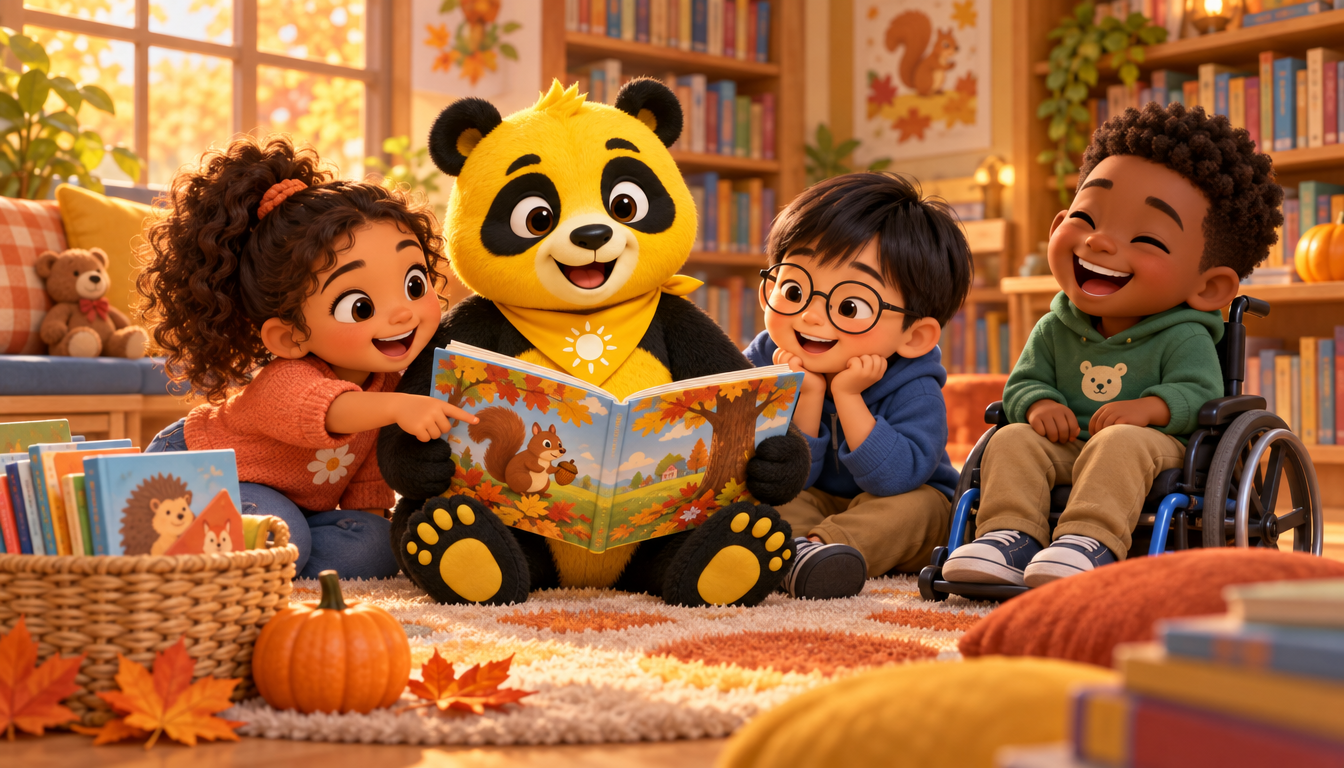
Quick takeaway: Ten Thanksgiving picture books about gratitude for ages 4–8, each with a question to ask after reading and a 5-minute activity to make thankfulness stick.
The best Thanksgiving books about gratitude for kids show thankfulness in action: a character notices something good, sees who helped and does something kind back. For ages 4–8, look for short picture books with warm stories, real feelings and a clear "thank you" moment. The 10 books below fit that bill, and each one comes with a question to ask and a 5-minute activity.
Most gratitude book lists stop at the title. But a book teaches more when you talk about it together. A two-minute chat after the last page can turn a nice story into something your child remembers at the Thanksgiving table.
This list mixes cozy read-alouds, funny favorites and books by Native authors that share Thanksgiving and gratitude from their own communities. Every pick works at bedtime or as a classroom read-aloud. Most public libraries carry many of these titles, so November is a great time to place holds.
How to Read a Gratitude Book So It Sticks
Researchers at the University of North Carolina at Chapel Hill describe gratitude as four skills: Notice, Think, Feel and Do. Psychology professor Andrea Hussong explains it simply. We notice what we have. We think about who helped and why. We feel good about that kindness. Then we do something to show our thanks.
Picture books are a perfect way to practice all four. You don't need a lesson plan. Just pause after the story and ask:
- Notice: "What good thing happened to the character?"
- Think: "Who helped? Why do you think they helped?"
- Feel: "How did the character feel? How would you feel?"
- Do: "How did they say thank you? How could we?"
Pick one or two questions, not all four. Young kids stay with you when it feels like a chat, not a quiz.
Sunny Says: "Every good thing has a helper. Let's go find them!" At Sunny's Clubhouse, we love turning that into a game after every story.
1. Bear Says Thanks by Karma Wilson, illustrated by Jane Chapman
Best for: ages 3–6.
Bear wants to throw a feast for his friends, but his cupboard is bare. One by one, his friends arrive with food to share. Bear feels bad that he has nothing to give, until his friends show him that his stories are a gift too.
Ask: "Bear thought he had nothing to share. What did he really have?"
Try it today (5 minutes): Ask everyone at dinner to name one thing they can share that isn't a thing. A joke, a hug, a song or a story all count.
2. The Thank You Book by Mo Willems
Best for: ages 4–8, especially new readers.
In this Elephant & Piggie book, Piggie sets out to thank everyone who matters to her. Gerald worries she will forget someone important. The ending is funny and a little surprising, and kids love reading it aloud in two voices.
Ask: "Who would be on YOUR thank-you list?"
Try it today (5 minutes): Make a "Thank You Parade" list together. Write or draw five people your child wants to thank before Thanksgiving. Check them off as you go.
3. Thank You, Omu! by Oge Mora
Best for: ages 4–8.
Omu cooks a big pot of thick red stew, and the smell drifts through the neighborhood. She shares a bowl with each visitor until the pot is empty. Then her neighbors come back to thank her in a way that warms the whole block. This book won a Caldecott Honor for its bright collage art.
Ask: "How did the neighbors say thank you to Omu?"
Try it today (5 minutes): Plan one "thank-you knock." Bake, draw or write something small for a neighbor who has been kind to your family.
4. Last Stop on Market Street by Matt de la Peña, illustrated by Christian Robinson
Best for: ages 4–8.
CJ rides the city bus with his grandmother and wonders why they don't have a car like his friends. Nana helps him notice the music, the people and the beauty all around them. This Newbery Medal winner gently shows that gratitude is often about what we *see*, not what we own.
Ask: "What beautiful things did Nana help CJ notice?"
Try it today (5 minutes): On your next drive or walk, play "Nana's Eyes." Each person points out one beautiful or interesting thing they might usually miss.
5. We Are Grateful: Otsaliheliga by Traci Sorell, illustrated by Frané Lessac
Best for: ages 3–8.
Traci Sorell, a citizen of the Cherokee Nation, shares a modern Cherokee community giving thanks through every season of the year. *Otsaliheliga* is a Cherokee word for gratitude. The book includes a glossary and the Cherokee syllabary.
Ask: "This family is grateful all year long. What are we grateful for in fall? In winter?"
Try it today (5 minutes): Fold a paper into four squares, one for each season. Draw one thing you're thankful for in each.
6. Giving Thanks: A Native American Good Morning Message by Chief Jake Swamp, illustrated by Erwin Printup Jr.
Best for: ages 3–8.
This book shares a version of the Mohawk Thanksgiving Address, a good morning message of thanks to Mother Earth. It thanks the waters, animals, trees, wind, sun, moon and stars. These words of thanks are still spoken at gatherings of the Six Nations (Haudenosaunee) today.
Ask: "Which part of nature would you say thank you to first?"
Try it today (5 minutes): Step outside together. Each person says one quiet thank-you to something in nature, like a tree, the rain or the sky.
7. Keepunumuk: Weeâchumun's Thanksgiving Story by Danielle Greendeer, Anthony Perry and Alexis Bunten
Best for: ages 5–8.
A Wampanoag grandmother tells her grandchildren, Maple and Quill, the story of the first Thanksgiving, which the Wampanoag call Keepunumuk. The story begins with the Three Sisters: corn, beans and squash. It's a beautiful way to share a fuller, more honest Thanksgiving history with young kids.
Ask: "Whose story is this? What did you learn that you didn't know before?"
Try it today (5 minutes): Look at a meal on your table and ask, "Who grew this? Who carried it? Who cooked it?" Count the helpers on your fingers.
8. Gracias/Thanks by Pat Mora, illustrated by John Parra
Best for: ages 3–7, and wonderful for bilingual families and classrooms.
A young boy says thanks for the many big and small things in his day, from the sun to a cricket. Every page appears in both English and Spanish. The pictures are warm and full of family.
Ask: "What tiny thing are you thankful for today?"
Try it today (5 minutes): Learn "thank you" in a new language together. If your family speaks more than one language, let your child teach a grown-up their favorite way to say it.
9. Those Shoes by Maribeth Boelts, illustrated by Noah Z. Jones
Best for: ages 5–8.
Jeremy really wants the popular sneakers everyone at school is wearing. His grandmother can't afford them, and he needs winter boots. What Jeremy decides to do with a too-small pair of shoes is a quiet, powerful lesson about wants, needs and giving.
Ask: "Was it hard for Jeremy to give the shoes away? Why did he do it?"
Try it today (5 minutes): Sort a few toys or clothes into "keep" and "share." Let your child choose one item to donate before the holidays.
10. The Thankful Book by Todd Parr
Best for: ages 3–6.
Todd Parr's bold, bright pictures name all kinds of things to be thankful for, from music to bath time to family. It's short enough to read before every meal, and simple enough for pre-readers to "read" on their own.
Ask: "If we made our own Thankful Book, what would be on the first page?"
Try it today (5 minutes): Staple four sheets of paper together. Your child draws one thankful thing per page. Add a new page every day until Thanksgiving.
This Week's Shine Challenge
After you read one book from this list, ask your child: "Who is a helper in OUR life?" Then do one small thing to thank that person this week. Draw a picture, make a card, or say thank you face to face.
Afterward, ask, "How did it feel to thank them?" That moment is where gratitude really starts to shine.
Questions Parents and Teachers Ask About Thanksgiving Books About Gratitude
What age is best for gratitude picture books?
Children as young as 3 enjoy simple books like *The Thankful Book* and *Bear Says Thanks*. Kids ages 5 to 8 are ready for stories with deeper ideas, like *Those Shoes* or *Last Stop on Market Street*. Start with shorter books and add longer ones as your child grows.
How can I teach the first Thanksgiving honestly to young kids?
Keep it simple, true and kind. Books by Native authors, like *Keepunumuk* and *Giving Thanks*, share the story from Indigenous points of view. You can tell kids that Native people lived here long before the Pilgrims came, and that many Native nations still live and give thanks today.
How do I make gratitude last past Thanksgiving?
Keep one gratitude book in your regular bedtime rotation. Ask "Who helped you today?" at dinner a few nights a week. Small, steady habits teach more than one big holiday lesson.
Are these books good for a kindergarten classroom?
Yes. Every book on this list works as a read-aloud for kindergarten and first grade. Pair each one with its 5-minute activity for an easy morning meeting or end-of-day routine.
Get the Free Power of Kindness Pack
Want more easy ways to grow gratitude and kindness at home or in class? Our free Power of Kindness Pack from Sunny's Clubhouse is full of simple activities and Shine Challenges.
Further Reading
More on Kindness & Friendship
Kindness & Friendship
8 Christmas Kindness Activities for Preschoolers (Easy Ideas for Home and Class)
Eight short, low-prep Christmas kindness activities for preschool and kindergarten, each with time needed, materials and exactly what to say.
Kindness & Friendship
How to Teach Kids to Give Instead of Receive at Christmas: 8 Simple Ways
Help your child feel the joy of giving this Christmas with 8 hands-on ideas for ages 4–8, from a Giving List to handmade gifts, with words you can say.
Kindness & Friendship
How to Make a Thankful Jar for Kids (Plus 30 Daily Prompts)
A thankful jar turns gratitude into a two-minute daily habit. Here's how to make one with kids ages 4–8, plus 30 prompts and how to read it on Thanksgiving.
Get The Sunbeam Signal
Simple ideas, playful activities, and a little Sunny inspiration for helping children shine.
For adults only. This optional newsletter is separate from free Power Pack access. Unsubscribe anytime.