Confidence & Courage
Perfectionism in 6-Year-Olds: 8 Gentle Ways to Help (and What to Say)
By Audrey Bell-Kearney ·
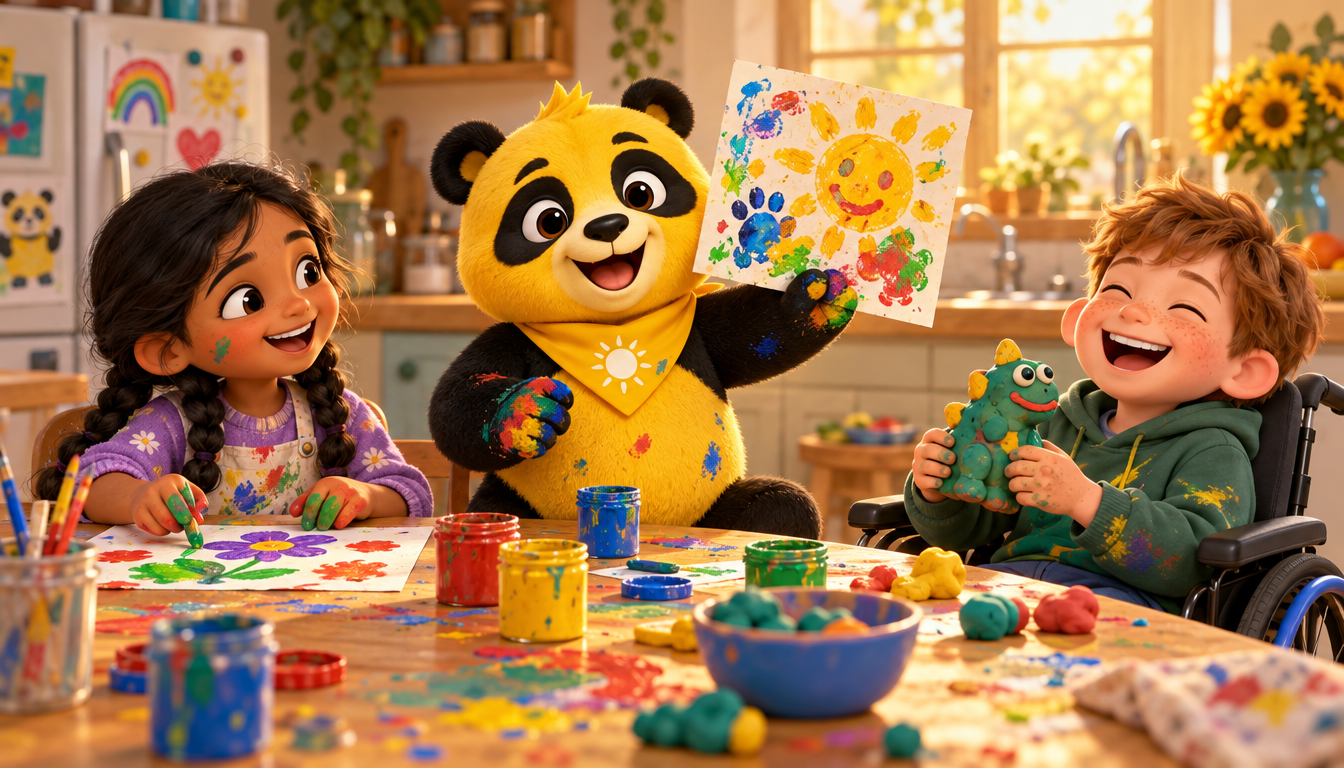
Quick takeaway: Crumpled drawings, tears over one wrong letter? Here's what perfectionism in 6-year-olds looks like, and 8 gentle ways to help your child make peace with mistakes.
Perfectionism in 6-year-olds usually looks like big upset over small mistakes: crumpled drawings, tears over a wobbly letter, or refusing to try something new. It's common at this age, and it's usually a sign that your child cares a lot and hasn't yet learned that mistakes are safe. You can help by staying calm, showing your own mistakes, praising effort, and agreeing on "good enough" before a task begins.
Six is a big year. Many children start first grade, see classmates who read faster or draw "better," and suddenly notice that work can be judged. At the same time, their skills still lag behind their ideas. A child can picture a perfect dragon but can't yet draw one. That gap feels awful.
Researchers at Curtin University describe perfectionism as being overly concerned about making mistakes. They also note that clinical perfectionism can show up from the early primary-school years. Most 6-year-olds who fuss over mistakes are not in that group. Still, this is the right age to build healthy habits around trying, messing up and trying again.
Healthy Striving vs. Perfectionism
Wanting to do well is a good thing. The goal is not to make your child care less. It's to help them care in a way that doesn't hurt.
Healthy striving sounds like: "I want to make it look cool. Let me try again." The child is proud of progress and can move on.
Perfectionism sounds like: "It's ruined. I'm bad at drawing. I'm never doing this again." The child sees one mistake as total failure, and often as proof about who they are.
Curtin's experts suggest showing your child that it's healthy to try hard and aim high, while modeling a balanced approach to mistakes. That's the heart of everything below.
Signs of Perfectionism in a 6-Year-Old
You might notice your child:
- Erases the same letter again and again until the paper tears.
- Crumples or rips up work that has one small "wrong" part.
- Refuses to try a new game, sport or activity unless sure they'll be good at it.
- Melts down after losing a board game or getting one answer wrong.
- Asks "Is this right?" many times during a simple task.
- Takes a very long time to finish, or can't decide when something is "done."
- Says harsh things about themselves, like "I'm stupid" or "I always mess up."
One or two of these on a tired day is normal. A pattern across many days is your signal to start practicing the ideas below.
1. Stay Calm and Name the Feeling First
When your child is mid-meltdown over a crooked line, logic won't land yet. Their body needs to settle before their brain can listen.
How to do it today (1 minute): Get down to eye level. Keep your voice low and slow. Say what you see: "You're really frustrated. You wanted that line to be straight, and it went wobbly." Then wait. Offer a hug or a few slow breaths together.
Skip "It's fine!" or "It looks great!" for now. Your child knows it isn't what they wanted, and quick reassurance can feel like you're not listening.
2. Let Your Child See You Mess Up
Children learn more from what we do than what we say. If you hide your mistakes, your child may think grown-ups never make them.
How to do it today (no prep): Narrate one small mistake out loud. "Oops, I burned the toast. That's frustrating. I'll turn the heat down and try again." Keep it light, and show the fix.
At Sunny's Clubhouse, we love this one because it turns a mistake into a tiny story with a happy ending. Even DJ Bam Bam hits the wrong button sometimes, and the show goes on.
3. Agree on "Good Enough" Before You Start
Perfectionists often don't know when to stop. Deciding together ahead of time gives them a finish line.
How to do it today (2 minutes): Before homework or a craft, ask, "What will it look like when it's done?" Agree on one or two simple goals. For example: "Write your name on all five lines. Neat enough that Grandma can read it." When those goals are met, the task is done, even if one letter leans.
4. Praise the Trying, Not Just the Result
When praise is always about the finished product, children learn that the product is what matters. Shift some praise toward effort and choices.
What to say:
- "You kept going even when it got tricky."
- "I saw you try a new way when the first way didn't work."
- "You picked such bright colors for the sky."
Be specific and honest. You don't need to praise every scribble. Just let your child hear that you notice the work behind the result.
5. Teach a Try-Again Phrase
A short, repeatable phrase gives your child something to say instead of "I'm bad at this."
Sunny Says: "Oops is how I learn!"
How to do it today (5 minutes): Practice the phrase during a silly game first, like tossing socks into a basket. Every miss, everyone shouts, "Oops is how I learn!" and tries again. Once your child knows it, you can whisper it gently during real frustration.
Kids also love adding "yet": "I can't draw a dragon *yet*." That one small word turns a dead end into a path.
6. Make Room for Messy, No-Grade Play
Perfectionist kids often avoid activities where there's no "right" answer. That's exactly why those activities help.
How to do it today (15 minutes): Try a "messy art" session. Use finger paint, play dough, splatter painting or building blocks with the goal of making the silliest tower, not the tallest. Join in and make your own creation wonky on purpose. When it's done, talk about what was fun, not how it looks.
You can also make "mistake art": draw a random squiggle on the page, and challenge your child to turn it into something. A mistake becomes the start of a picture.
7. Watch Your Own Words About Yourself
Children notice how adults talk about their own bodies, work and mistakes. "Ugh, I'm so dumb" about a forgotten grocery item teaches more than any lesson.
How to do it today: Catch one harsh comment about yourself and reword it out loud. "I forgot the milk. Oh well, everyone forgets sometimes. I'll write a list next time." Your child learns that you can be kind to yourself and still fix things.
8. Read and Talk About Characters Who Make Mistakes
Stories let children explore big feelings from a safe distance. A character who messes up and keeps going is a powerful model.
How to do it today (10 minutes): At bedtime, read a picture book about a character who makes a mistake. Ask, "How do you think they felt?" and "What did they do next?" You can find ideas in our list of books about making mistakes for kindergarten.
Short videos can work the same way. Watching Sunny together on our Watch page, then asking "What would you try next?", is an easy way to start the talk.
When to Ask for More Help
Most perfectionism in 6-year-olds softens with practice and patience. Talk with your pediatrician if the worry about mistakes is frequent or intense, or gets in the way of school, sleep, eating or friendships. Also reach out if your child often says very harsh things about themselves, or has stomachaches or headaches tied to schoolwork. Asking for help is a strong, caring step, not a sign that anything went wrong.
This Week's Shine Challenge
Hold a family "Oops Night." At dinner, everyone shares one mistake they made this week and what they learned or tried next. Grown-ups go first. After each one, the whole table says, "Oops is how I learn!" Watch how quickly your child starts to look forward to sharing.
Questions Parents and Teachers Ask About Perfectionism in 6-Year-Olds
Is perfectionism normal in 6-year-olds?
Some perfectionism is very common at this age. Six-year-olds are starting to compare themselves with others, and their skills don't always match their ideas yet. It becomes a concern when it's frequent, intense or keeps your child from trying things.
What causes perfectionism in young children?
There is usually no single cause. Temperament plays a part, since some children are naturally more cautious or detail-focused. A child's environment matters too, including how adults react to mistakes and how much praise focuses on results.
Should I tell my child their work is perfect?
It's better to be specific and honest than to call everything perfect. "Perfect" can quietly raise the bar for next time. Try describing what you see, such as "You used so many colors," or praising the effort it took.
How can teachers help a perfectionist child in class?
Teachers can set clear "good enough" goals, share their own mistakes, and celebrate trying in front of the class. Low-pressure activities, like open-ended art or building, also help. Regular check-ins with parents keep home and school using the same language.
Can perfectionism make my child give up?
Yes. Some children would rather not try than risk getting something wrong. If that sounds familiar, our guide on how to help a child who gives up easily has more ideas for building stick-with-it skills.
Get the Free Power of Kindness Pack
Kindness starts with how we talk to ourselves. Our free Power of Kindness Pack has simple activities to help kids practice being kind to themselves and others.
Further Reading
More on Confidence & Courage
Confidence & Courage
How to Teach Kids Patience and Delayed Gratification: 8 Simple Ways (Ages 4–8)
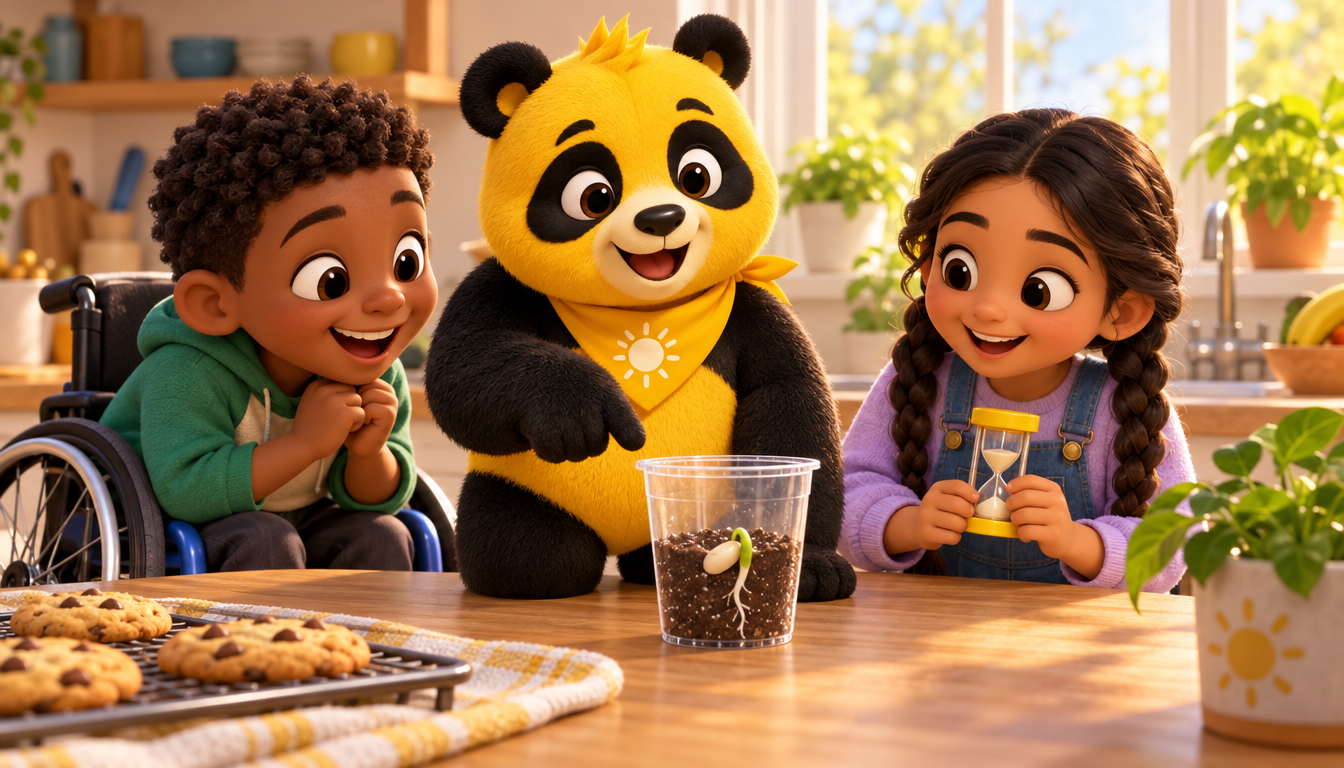
Waiting is a skill kids can practice. Here are 8 simple ways to teach patience and delayed gratification, with what to say, easy games and a Sunny seed activity.
Confidence & Courage
How to Help a Child Who Gives Up Easily: 8 Gentle Ways to Build Stick-With-It Skills
Kids who quit fast are usually tired, scared of mistakes or facing a task that feels too big. Here are 8 simple ways to build persistence, with exactly what to say.
Confidence & Courage
9 Books About Making Mistakes for Kindergarten (With Questions to Ask)
Nine picture books that help kindergartners see mistakes as part of learning, each with one question to ask and a quick activity to try today.
Get The Sunbeam Signal
Simple ideas, playful activities, and a little Sunny inspiration for helping children shine.
For adults only. This optional newsletter is separate from free Power Pack access. Unsubscribe anytime.