Big Feelings
My 5-Year-Old Cries Over Everything: 8 Calm Ways to Help (and What to Say)
By Audrey Bell-Kearney · · Updated

Quick takeaway: Does your 5-year-old cry over everything? Here are eight calm, practical ways to help, with exact words to use in the moment and a simple Rain Cloud Check.
If your 5-year-old cries over everything, you are not alone, and your child is not broken. At this age, the brain skills that help kids handle frustration and disappointment are still growing. The most helpful response is calm and simple: stay close, name the feeling, wait for the storm to pass, then teach one small skill when everyone is calm.
Tears over a broken cracker, the wrong color cup or a sock that feels "weird" can wear down even the most patient grown-up. It can feel like you are walking on eggshells all day. The good news is that crying is communication. Once you learn what the tears are saying, you can help your child find other ways to say it.
Below are eight calm, practical ways to help, plus exact words to use in the moment. None of them need special tools. Most take less than five minutes.
Why Some 5-Year-Olds Cry So Often
Five-year-olds feel big feelings with small bodies. They notice a lot, care a lot and do not yet have many words for what is going on inside. Crying is often the fastest tool they have.
A few common reasons tears show up more often:
- Their tank is low. Tiredness, hunger, a busy day or a change in routine can make small problems feel huge.
- They are a sensitive kid. Some children simply feel things more deeply, including sounds, textures and other people's moods.
- They don't have the words yet. "I'm disappointed," "I'm embarrassed" and "I wanted to do it myself" are hard sentences for a 5-year-old.
- Something new is happening. Starting kindergarten, a new sibling or a move can make a child cry more for a while.
Crying is not bad behavior. It is a signal. Your job is not to stop every tear. Your job is to help your child feel safe enough to calm down and learn what to do next.
1. Check the Tank Before the Tears
Time needed: 30 seconds.
Before you look at the "problem," look at your child. Ask yourself: Are they hungry, tired, overwhelmed or coming off a long day? A meltdown over the wrong spoon at 5:30 p.m. is often about an empty tank, not the spoon.
How to do it today: Keep a simple snack and water ready for after school. Watch the hour before dinner and bedtime, when tears tend to pile up. If you see a pattern, adjust the day rather than the child.
2. Stay Calm and Close First
Time needed: 1–2 minutes.
Your calm is contagious. When your child cries, take one slow breath before you speak. Get down to their eye level. Keep your voice low and your words few.
What to say:
- "I'm right here."
- "You're safe. I'll stay with you."
- "We can figure this out when your body feels calmer."
You don't need to fix anything yet. A calm grown-up nearby is often what helps a small child settle.
3. Name It and Say It's Okay
Time needed: 1 minute.
The American Academy of Pediatrics describes a helpful approach called emotion coaching: notice your child's feeling, name it, acknowledge it, and then address the need underneath. This helps children feel understood and supported.
What to say:
- "You're really disappointed the tower fell."
- "You wanted the blue cup, and it's in the dishwasher. That's frustrating."
- "It's okay to feel sad. Feelings come and go."
Try not to say "Stop crying" or "That's nothing to cry about." To your child, it is something. Naming the feeling doesn't mean giving in. It means "I see you."
4. Try Sunny's Rain Cloud Check
Time needed: 2 minutes, once calm.
In Sunny's Clubhouse, Sunny loves learning about rain. You can borrow that idea to help your child notice how big a problem really is. Ask: "Is this a sprinkle, a shower or a thunderstorm?"
- Sprinkle: a small problem we can fix fast (a dropped crayon, the wrong cup).
- Shower: a medium problem that needs help (a fight with a friend, a lost toy).
- Thunderstorm: a big problem that needs a grown-up right away (someone is hurt).
How to do it today: Draw three clouds on a piece of paper and tape it to the fridge. After a cry, point to the clouds together. Over time, many kids start saying "That was just a sprinkle!" on their own. Never use it to shame tears. Every feeling is allowed, even sprinkle-sized ones.
Sunny Says: "My tears are telling me something. Let's find out what!"
5. Teach One Calm-Down Move When Everyone Is Calm
Time needed: 3 minutes a day.
Kids cannot learn a new skill in the middle of a meltdown. Practice when things are peaceful, like at bath time or before bed. Then the skill is ready when tears show up.
How to do it today: Pick one move and practice it daily for a week:
- Panda breath: Breathe in slowly through the nose, then let out a long, slow "whoosh."
- Squeeze and let go: Squeeze your fists tight for three seconds, then let them go floppy.
- Count five things: Find five things you can see in the room.
When tears start later, gently remind them: "Want to do a panda breath with me?" For more ideas, see our animal breathing exercises below.
6. Give Them Words to Use Instead of Tears
Time needed: a few minutes, a few times a week.
Many kids cry because crying is faster than finding words. Give them short, easy phrases they can practice.
Words to teach:
- "I need help."
- "I'm frustrated."
- "Can I have a break?"
- "I wanted to do it myself."
How to do it today: Play a quick pretend game. You act out a small problem with a stuffed animal, like a block tower falling. Ask your child, "What could Bear say?" Kids like Amara or Leo often practice more happily when a toy is "having" the problem instead of them.
7. Solve the Problem Together After the Storm
Time needed: 2–5 minutes.
Once your child is calm, help them think about what to do next. This step teaches that problems can be solved, which builds confidence over time.
What to say:
- "What could we try?"
- "Do you want to fix it, try again or take a break?"
- "Let's think of two ideas together."
Keep your limits steady. If the answer was "no more cookies," the answer stays "no" after the tears. You can say, "I know you're sad. The answer is still no. I'm here while you feel sad." Calm, kind and consistent works best.
8. Fill Their Cup With Special Time
Time needed: 10–15 minutes, two or three times a week.
Some kids cry more when they need connection. The AAP suggests setting aside 10 to 15 minutes, two or three times a week, for dedicated play time. Let your child choose the activity, put phones away and use a timer.
How to do it today: Call it something fun, like "Sunny Time." Let your child lead. Build a fort, play doctor or color together. Kids who feel connected often have an easier time bouncing back from small upsets.
When to Talk With Your Pediatrician
Many children go through teary phases, especially during changes. If crying is very frequent, very intense, lasts a long time, or comes with trouble sleeping, eating, playing or going to school, talk with your child's pediatrician. They can help you sort out what is going on and find support if needed.
This Week's Shine Challenge
Pick one calm moment each day this week to practice a panda breath together. On the last day, ask your child, "When could you use your panda breath?" Celebrate any answer with a high five and a big "You're shining!"
Questions Parents and Teachers Ask About a 5-Year-Old Who Cries Over Everything
Is it normal for a 5-year-old to cry over everything?
Many 5-year-olds cry often, especially when tired, hungry or going through a change. Their skills for handling frustration are still developing. If the crying feels extreme, lasts for weeks or affects daily life, check in with your pediatrician.
Should I ignore my child when they cry?
It's best not to ignore real distress. Stay nearby, stay calm and name the feeling. You don't have to give in to what they want. You can hold a limit and still offer comfort.
How do I stop my child from crying to get their way?
Keep your limits steady and kind. Acknowledge the feeling, then calmly repeat the answer. When your child asks in words instead of tears, notice it: "You asked so clearly. Thank you."
What should teachers do when a student cries a lot in class?
Offer a quiet, calm spot and a few simple words, like "You're safe. Take a breath with me." Teach calm-down moves to the whole class during peaceful times. Share patterns with families so home and school can use the same words.
Can a sensitive child learn to cry less?
Yes, with time and practice. The goal isn't to make a sensitive child less caring. It's to give them more tools, like words, breathing and problem-solving, so tears aren't their only option.
Get the Free Power of Kindness Pack
Want simple, ready-to-use activities that help kids name feelings and be kind to themselves and others? Grab our free pack for home or the classroom.
Further Reading
More on Big Feelings
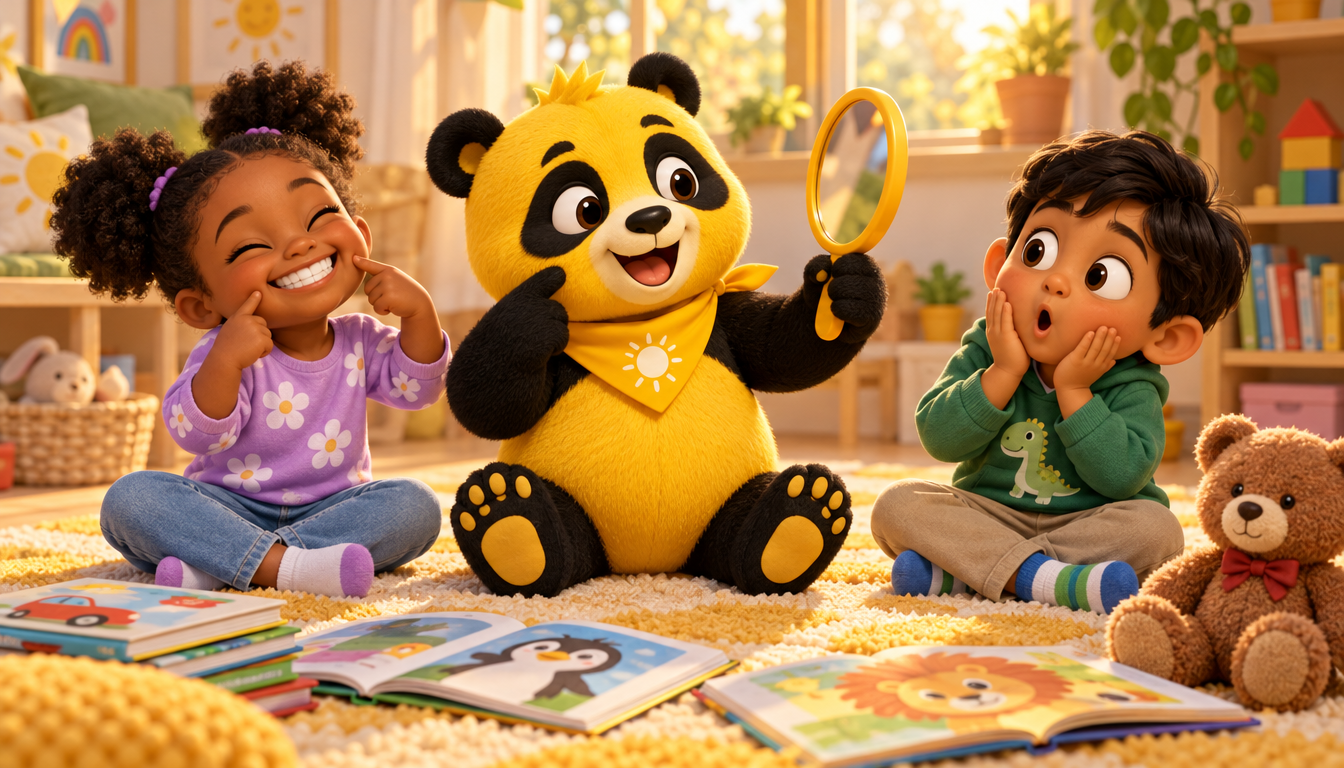
Big Feelings
How to Teach a 4-Year-Old About Feelings: 7 Simple, Playful Ways
Name feelings out loud, find them in the body, and practice through play. Seven easy ways to grow your 4-year-old's feelings words, with what to say.

Big Feelings
How to Help a 5-Year-Old With Big Emotions: 7 Calm, Simple Steps
Big feelings are normal at five. Here's how to calm the meltdown, name the feeling, set kind limits and build calm-down skills your child can use next time.
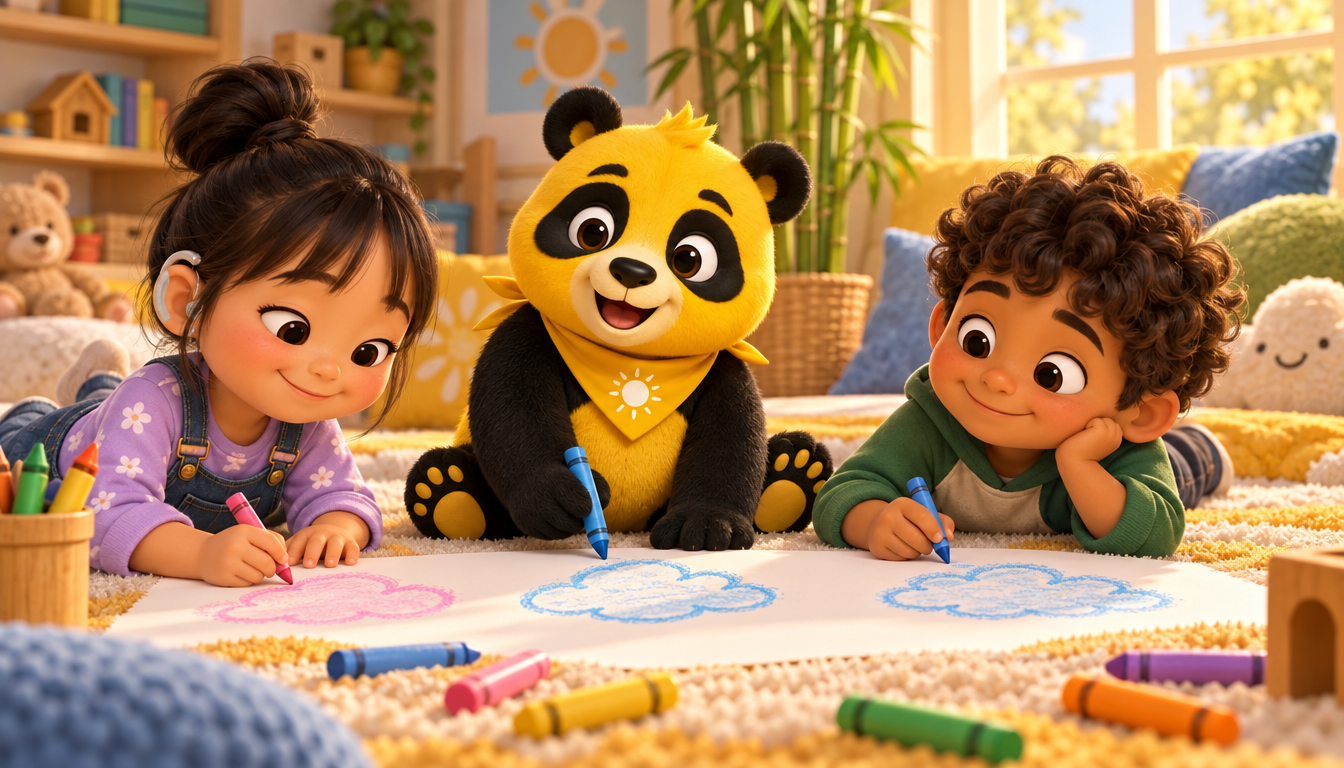
Big Feelings
How to Explain Worry to a Child: 7 Simple Ways (Ages 4–8)
Worry is a little alarm in the brain that sometimes beeps too loud. Here are seven simple ways to explain worry to kids ages 4–8, with words to say and quick activities.
Get The Sunbeam Signal
Simple ideas, playful activities, and a little Sunny inspiration for helping children shine.
For adults only. This optional newsletter is separate from free Power Pack access. Unsubscribe anytime.