Big Feelings
How to Help a 5-Year-Old With Big Emotions: 7 Calm, Simple Steps
By Audrey Bell-Kearney ·

Quick takeaway: Big feelings are normal at five. Here's how to calm the meltdown, name the feeling, set kind limits and build calm-down skills your child can use next time.
To help a 5-year-old with big emotions, calm their body first, then name the feeling, and only then solve the problem together. In the moment, your calm voice and steady presence matter more than the perfect script. On calm days, you practice the skills your child will need when feelings get big again.
Five is a big-feelings age. Your child can now run, build and tell long stories, but the "brakes" for strong emotions are still under construction. So a broken cracker, a lost game or leaving the park can bring on tears, yelling or a full meltdown. That is not bad behavior. It is a young brain that is still learning.
The good news is that five-year-olds are ready to learn. PBS KIDS for Parents notes that most children this age know basic feeling words like mad, sad, happy and scared. They are also starting to talk about why people feel the way they do. That gives you a lot to work with.
Below are seven simple ways to help, in the order you'll usually need them: before, during and after a big feeling.
1. Calm the Body Before You Talk
In the middle of a meltdown, it's very hard for a child to think clearly. Questions and lessons bounce right off. Your first job is to help their body settle.
How to do it today (1–3 minutes, no materials):
- Get down to your child's eye level and lower your voice.
- Say less. Try: "I'm right here. You're safe."
- Breathe slowly where your child can see and hear you. Many kids will start to match you.
- Offer a calm-down choice: "Do you want a hug, or do you want some space next to me?"
PBS KIDS for Parents puts "calm down first" at the very start of helping kids through big emotions. It also reminds grown-ups that we can take deep breaths too. If you feel your own temper rising, it's okay to say, "I need three slow breaths," and take them.
2. Name the Feeling Out Loud
Once your child is a little calmer, give the feeling a name. A named feeling is easier to handle than a mystery storm.
How to do it today (1 minute, no materials):
- Describe what you see: "Your fists are tight and your face is red."
- Guess the feeling: "I think you might be really frustrated."
- Check if you got it right: "Is that it, or is it something else?"
If your child corrects you ("No, I'm SAD!"), that's a win. They just named their own feeling. Over time, add new words beyond mad and sad, like disappointed, jealous, nervous and embarrassed.
Sunny Says: "It's okay to feel it. Now let's breathe through it."
3. Set the Limit Kindly
Accepting feelings does not mean accepting every action. Kids feel safer when grown-ups hold steady limits. You can be warm and firm at the same time.
How to do it today (30 seconds, no materials):
- Use a simple pattern: feeling + limit + what they *can* do.
- Example: "You're so mad your tower fell. I won't let you throw blocks. You can stomp your feet or squeeze this pillow."
- Keep your tone calm and your words short. Repeat the same sentence if you need to.
When Diego knocks over his sister's puzzle in a fit of anger, the message is the same. "You're upset, and that's okay. Hitting the puzzle isn't okay. Let's fix it together when you're ready."
4. Ask, Then Listen
After the storm passes, get curious. Five-year-olds can often tell you what happened if you give them time and don't rush to fix it.
How to do it today (5 minutes, no materials):
- Ask an open question: "What happened right before you got so upset?"
- Listen without correcting or lecturing.
- Repeat back what you heard: "So Mei got the red cup, and you really wanted it."
Feeling heard helps children feel safe. They learn that feelings can be talked about, not just shouted.
5. Solve the Problem Together
Now your child's brain is ready to think. Instead of handing over the answer, help them find one. PBS KIDS for Parents suggests asking what your child could do, brainstorming a few ideas and letting them choose.
How to do it today (5 minutes, paper and crayons optional):
- Ask: "What could we do next time the cup thing happens?"
- Come up with two or three ideas together. Silly ideas are fine. They keep it light.
- Let your child pick one, and say it back: "Okay, next time you'll ask for a turn with the red cup."
- End with confidence: "I know you can try that."
For Amara, who melts down when it's time to leave the playground, the plan might be a two-minute warning and one last slide. Kids follow plans they helped make.
6. Practice Calm-Down Tools on Calm Days
The worst time to learn a new skill is in the middle of a meltdown. Practice when everyone is relaxed, so the tools are ready when feelings get big.
How to do it today (5 minutes, a stuffed animal):
- Try a "belly breath": lie down, put a stuffed animal on your child's tummy and give it a slow ride up and down.
- Play "feelings faces" in the mirror. Take turns making a mad, sad, scared and happy face.
- Pick one go-to tool together and give it a name, like "Panda Breath" or "Turtle Time."
At Sunny's Clubhouse, we love tools that feel like play. Our post on animal breathing exercises for kids has eight easy breaths to try.
7. Talk About Feelings in Stories
Books and shows are a safe way to practice. It's easier to talk about a character's big feelings than your own.
How to do it today (10 minutes, any picture book):
- While reading, pause and ask, "How do you think she feels right now?"
- Ask, "What clues told you that?" Point to faces and bodies in the pictures.
- Then ask, "What could she do to feel better?"
This builds the skill PBS KIDS for Parents describes at age five: understanding why people feel the way they do. It is also a foundation for empathy. Watching a short Sunny's Clubhouse episode together can spark the same kind of chat.
What Not to Worry About
Big emotions are normal at five. Your child might be calm at school and fall apart at home. That often means home feels safe enough to let feelings out.
You also don't have to get it right every time. If you yell, repair it later: "I yelled, and I'm sorry. Let's try again." That teaches your child that mistakes can be fixed.
If meltdowns are very frequent, very intense, or getting in the way of sleep, school or play, talk with your pediatrician.
This Week's Shine Challenge
Pick one calm moment each day this week, like the car ride or bedtime. Ask your child, "What was one big feeling you had today?" Share one of yours too. Then name one thing that helped. By Friday, your child will have five new chances to practice talking about feelings.
Questions Parents and Teachers Ask About Big Emotions in 5-Year-Olds
Is it normal for a 5-year-old to have meltdowns?
Yes. Many five-year-olds still have meltdowns, especially when they are tired, hungry or facing a change. Their skills for managing strong feelings are still growing. Steady support helps those skills grow over time.
Should I ignore my child's tantrum?
It's better to stay calm and nearby than to ignore your child completely. You don't have to give in to what they want. You can hold the limit and still say, "I'm here when you're ready."
What should I say when my 5-year-old is screaming?
Keep it short and calm. Try, "I'm here. You're safe. Let's breathe together." Save questions and lessons for later, once your child's body has settled.
How can teachers help 5-year-olds with big emotions in class?
Teach one calm-down tool to the whole class and practice it daily, like a breath at morning meeting. A quiet corner with a few calming items gives kids a place to reset. Name feelings out loud during the day so children hear the words often.
When should I worry about my child's big emotions?
Talk with your pediatrician if outbursts are frequent, very intense or not getting better with steady support. Also check in if they get in the way of sleep, school or friendships. You know your child best, so trust your instincts.
Get the Free Power of Kindness Pack
Want more simple ways to help your child feel calm, kind and confident? Our free Power of Kindness Pack is full of Sunny's Clubhouse activities for home or the classroom.
Further Reading
More on Big Feelings
Big Feelings
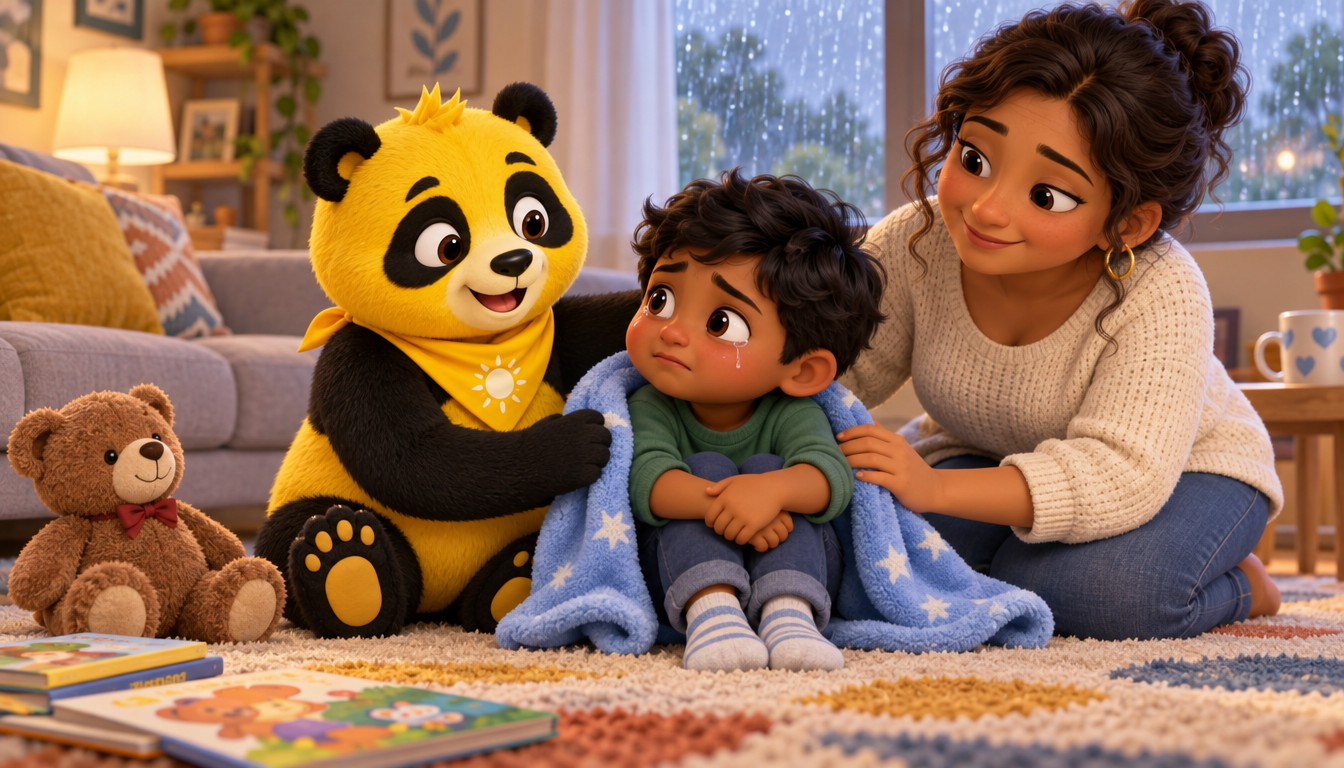
My 5-Year-Old Cries Over Everything: 8 Calm Ways to Help (and What to Say)
Does your 5-year-old cry over everything? Here are eight calm, practical ways to help, with exact words to use in the moment and a simple Rain Cloud Check.
Big Feelings
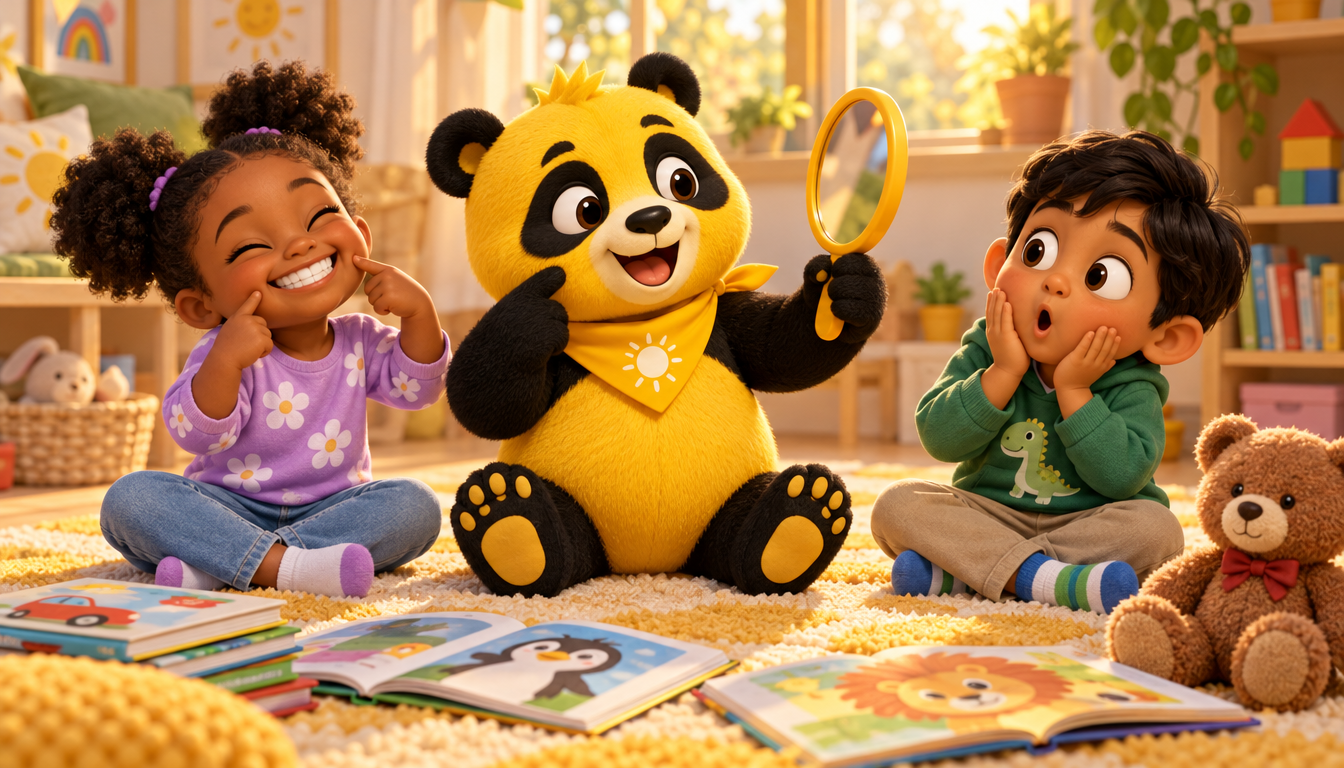
How to Teach a 4-Year-Old About Feelings: 7 Simple, Playful Ways
Name feelings out loud, find them in the body, and practice through play. Seven easy ways to grow your 4-year-old's feelings words, with what to say.
Big Feelings
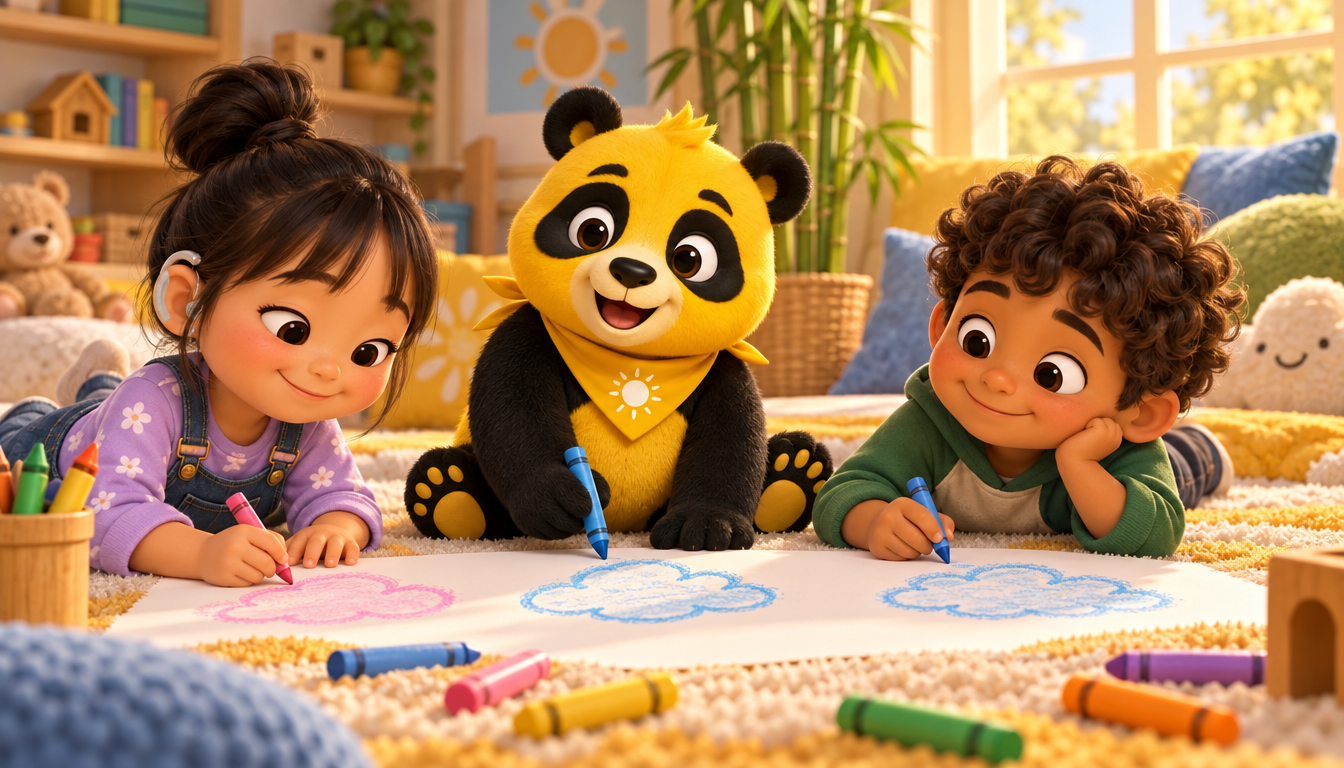
How to Explain Worry to a Child: 7 Simple Ways (Ages 4–8)
Worry is a little alarm in the brain that sometimes beeps too loud. Here are seven simple ways to explain worry to kids ages 4–8, with words to say and quick activities.
Get The Sunbeam Signal
Simple ideas, playful activities, and a little Sunny inspiration for helping children shine.
For adults only. This optional newsletter is separate from free Power Pack access. Unsubscribe anytime.