Confidence & Courage
What Gardening Teaches Kids: 7 Life Lessons From One Small Seed
By Audrey Bell-Kearney ·
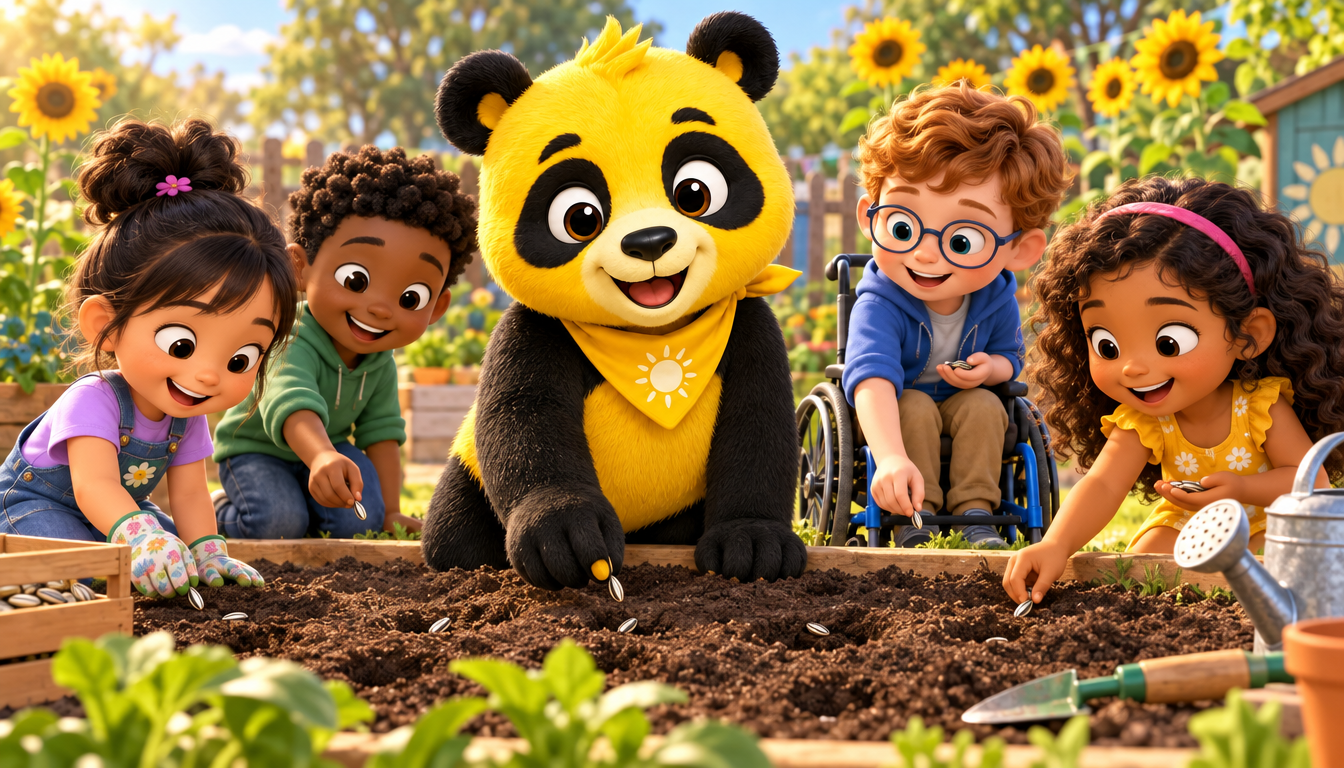
Quick takeaway: One small seed can teach big lessons. Here are 7 things gardening teaches kids ages 4–8, with easy indoor projects you can start this season.
Gardening teaches kids patience, responsibility, teamwork and care, all from one small seed. When children ages 4–8 plant something and come back to check on it each day, they learn that good things grow slowly and that their care makes a difference. You don't need a big yard: a paper cup, a little soil and a sunny window are enough to start.
At Sunny's Clubhouse, we love the garden because it turns big feelings into something kids can see. Waiting is hard. Mistakes happen. Sharing a watering can takes practice. A garden gives children a gentle, hands-on place to practice all three.
Researchers at the University of Arizona Cooperative Extension describe the same thing in their guide for early childhood classrooms. They note that shared garden work helps young children practice cooperation, and that tending plants and waiting for results builds responsibility and patience.
1. Patience: Good Things Grow Slowly
Most seeds take a week or more to sprout. For a five-year-old, that can feel like forever, and that is exactly the lesson.
Try it today (10 minutes): Plant two or three bean seeds in a clear plastic cup with damp soil or a wet paper towel. Clear cups let kids watch the roots grow before the sprout appears. Put a sticker on the cup each day you check it.
What to say: "Seeds take their time. Every day it's growing, even when we can't see it yet."
Sunny Says: "Little by little, I grow."
2. Responsibility: Someone Is Counting on Me
A plant needs water, light and attention. When a child is in charge of that care, they learn that their actions matter to another living thing.
Try it today: Give each child one simple job, like "Waterer" or "Sun Checker." Use a small spray bottle or a measuring cup so they don't overwater. A picture chart on the fridge helps pre-readers remember their job.
What to say: "Your plant depends on you. Look how strong it's getting because you remembered."
3. Teamwork: Gardens Grow Better Together
In a family or class garden, there is only so much soil, one watering can and lots of eager hands. That's real-life practice in taking turns and working as a team.
Try it today (15 minutes): Plant a shared pot together. One child scoops soil, another drops in seeds, another pats the soil down, another waters. Then switch jobs. Maya and Jalen might both want the watering can, so set a simple rule: "Five squeezes, then pass it on."
What to say: "We each did one part, and together we planted the whole pot."
4. Trying Again: Not Every Seed Sprouts
Some seeds won't come up. A plant might wilt if it misses a day of water. Instead of a failure, this is a chance to practice bouncing back.
Try it today: If a seed doesn't sprout after two weeks, become garden detectives together. Was it too dry? Too dark? Plant a new seed and change one thing.
What to say: "Gardeners make mistakes all the time. Let's figure out what the seed needs and try again."
This is the same idea as Sunny's Shine Challenges: mistakes are how we learn what to try next.
5. Caring for Living Things: Empathy in Action
When children notice that a plant is droopy and needs water, they are practicing empathy. They are learning to notice what another living thing needs and to help.
Try it today (5 minutes): Ask, "How do you think our plant is feeling today? What does it need?" Let your child decide whether it needs water, more sun or nothing at all.
What to say: "You noticed your plant needed help, and you helped it. That's what kind friends do too."
6. Big Feelings: The Calm of Getting Your Hands Dirty
Digging, scooping and patting soil are calming, hands-on activities. Many children settle when their hands are busy and they can see what they're doing.
Try it today: After a hard day, invite your child to help repot a plant or fill a cup with soil. Keep it slow and quiet. Ask one simple question: "What does the soil feel like?"
7. Pride and Confidence: "I Grew That!"
There is a special kind of pride in pointing to a sprout and saying, "I did that." Children see real proof that their effort and care made something grow.
Try it today: Take a photo of the plant every few days and line the photos up. When Priya or Mateo sees their tiny seed become a tall plant, they're also seeing their own patience and hard work.
What to say: "Remember when this was just a seed? Your care made this happen."
Easy Garden Projects You Can Start This Season
You don't have to wait for spring. These work indoors or in cooler months:
- Bean in a bag: Tape a wet paper towel and a bean seed inside a zip-top bag on a sunny window. Kids can watch the roots grow in 3–5 days.
- Grass-hair cup faces: Draw a face on a cup, fill it with soil and grass seed, and watch the "hair" grow. Give it a haircut with kid-safe scissors.
- Windowsill herbs: Basil, chives and mint grow well indoors and kids love to smell and taste them.
- Plant spring bulbs: In many areas, fall is the time to plant tulips and daffodils outside. It's the ultimate patience project, since they bloom months later.
- Save seeds for spring: Dry a sunflower head or save seeds from a pumpkin to plant together when the weather warms.
Safety tips: Stay with children while they garden, have them wash hands afterward, keep sharp tools out of reach, and skip plants that are toxic or that someone in your home is allergic to. Your local Cooperative Extension office can tell you what grows well where you live.
This Week's Shine Challenge
Plant one seed with your child or class this week. Check on it together every day for seven days and say one sentence about what you notice. Even if nothing sprouts yet, celebrate the waiting.
Questions Parents and Teachers Ask About Gardening With Kids
What age can kids start gardening?
Children as young as 3 can help scoop soil, drop in big seeds and water with a small cup. Ages 4–8 are a great time for simple jobs like watering, checking on plants and keeping a picture chart. Keep tasks short and let children do the parts they can do on their own.
What are the easiest seeds for young children to grow?
Big seeds are easiest for small hands. Beans, peas, sunflowers, pumpkins and nasturtiums sprout quickly and are easy to see. Grass seed is great for fast results in a cup.
How do I garden with kids if I don't have a yard?
Use containers. Plastic cups, recycled milk cartons, egg cartons and small pots all work on a sunny windowsill or balcony. A clear cup lets children watch the roots grow, which keeps them interested while they wait.
What if my child loses interest after a few days?
That's normal. Give them a small daily job, like a sticker chart for watering, and choose fast-growing seeds like beans or grass. Taking a photo every few days helps kids see progress they might otherwise miss.
How can teachers use gardening in the classroom?
Assign rotating roles like Waterer, Sun Checker and Garden Reporter. Let small groups take turns at the planters, and use circle time to talk about what changed. A class plant is also a gentle way to practice sharing and taking turns.
Get the Free Power of Kindness Pack
Caring for a plant is one of the first ways children learn to care for others. Our free Power of Kindness pack for grown-ups includes a Sunny story and simple activities that build on the same skills at home or in the classroom.
Further Reading
Get The Sunbeam Signal
Simple ideas, playful activities, and a little Sunny inspiration for helping children shine.
For adults only. This optional newsletter is separate from free Power Pack access. Unsubscribe anytime.